
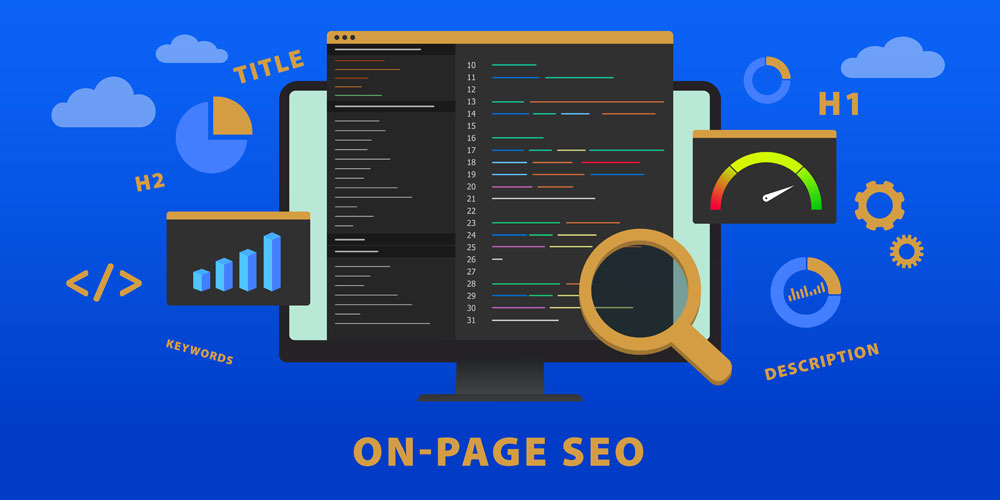
If you’re in the construction business, having a high-quality website is no longer optional—it’s essential. But even the most visually impressive website won’t bring in leads if it’s not optimized for search engines. That’s where on-page SEO comes into play.
Search engine optimization (SEO) ensures your site appears when potential clients are searching for services like “kitchen remodeling contractor,” “commercial roofing expert,” or “general contractor near me.” And on-page SEO is one of the most controllable aspects of this process—it’s all about optimizing the content, structure, and HTML elements on your site.
But what makes on-page SEO even more powerful is when it’s paired with competitor sentiment insights from Sentrategy—the first AI platform that monitors your competitors and analyzes their customer feedback. With these insights, you can optimize not just for Google—but for what real people care about.
Let’s explore the most effective on-page SEO best practices for construction company websites—and how Sentrategy can give you the edge.
1. Use Targeted, Localized Keywords in Key Places
If you’re a general contractor in Phoenix or a remodeling expert in San Diego, make sure those exact phrases appear naturally on your site. Important placements include:
- Page titles (H1)
- Meta titles and meta descriptions
- URL slugs (e.g., yoursite.com/kitchen-remodeling-phoenix)
- Image ALT text
- First 100 words of your content
- Subheadings (H2, H3)
Pro tip: Use Sentrategy to uncover what your competitors’ customers are praising or complaining about. If their reviews are full of phrases like “quick turnaround” or “always on time,” integrate those into your SEO-friendly copy. Google values relevance, but humans value emotional triggers—and you need both.
2. Optimize for Mobile and Page Speed
The construction industry is highly local—and most people search for local contractors on their phones. A slow, clunky, or hard-to-navigate mobile site will send potential leads straight to your competitor.
Use tools like Google’s PageSpeed Insights and ensure your site has:
- Fast load times (under 3 seconds)
- Mobile-responsive design
- Compressed images
- Minimal popups or distractions
Sentrategy can help here by revealing complaints in competitor reviews like “website was hard to use” or “couldn’t load on my phone.” Use that feedback to ensure your site avoids similar issues.
3. Include High-Quality, SEO-Optimized Content
Construction customers are looking for expertise, reassurance, and clarity. You need to provide helpful content that both search engines and humans love. Key elements:
- Service pages with detailed descriptions (e.g., “Bathroom Remodeling,” “Roof Inspections”)
- Location-specific landing pages (e.g., “General Contractor in Orange County”)
- Blog posts that answer common client questions
- Testimonials and case studies (optimized with schema markup)
With Sentrategy, you can take this a step further. If your competitor’s customers rave about “same-week estimates,” include a blog post or FAQ that explains your fast-quote process. Content that reflects real-world preferences ranks—and converts—better.
4. Make Your Calls to Action (CTAs) Clear and Emotionally Aligned
Your website should guide users to action: request a quote, schedule a consultation, or call now. But how you phrase these CTAs matters.
Use Sentrategy to identify the emotional triggers behind customer praise—such as trust, speed, or professionalism—and align your CTAs with those values.
Instead of a generic button like “Contact Us,” try:
- “Get My Free Estimate Today”
- “Schedule a Call With a Trusted Project Manager”
- “See Why San Diego Trusts Us for Roofing Projects”
This creates an experience that feels personalized and high-converting.
5. Leverage Internal Linking and Proper Site Structure
Search engines love websites that are easy to crawl. Help both users and bots understand your site with:
- Clear navigation (Home > Services > Commercial Painting)
- Internal links between related pages (e.g., from a blog post to a service page)
- Descriptive anchor text (avoid using “click here”)
And don’t forget your construction sitemap—submit it through Google Search Console so your pages are indexed quickly and correctly.
Want to know which services your competitors get the most customer feedback on? Sentrategy shows you what people are talking about most, so you can structure your internal links and service hierarchy accordingly.
6. Use Schema Markup for Local SEO Advantage
Adding structured data (schema) to your site helps Google understand your business better—and gives you rich snippets in search results. Prioritize:
- Local Business schema
- Review schema (to show star ratings)
- Service schema
- FAQ schema
This is especially powerful for construction businesses that rely on reviews and local trust.
How We Can Help
On-page SEO is one of the most powerful tools at your disposal—but when combined with sentiment-driven competitor intelligence, it becomes unstoppable. That’s what Sentrategy delivers.
We help you:
- Identify what competitor customers are really saying
- Build website content and structure that speaks directly to customer needs
- Avoid the SEO and UX mistakes that are damaging your competitors’ reputations
- Craft messaging that’s emotionally aligned and conversion-driven
With Sentrategy, you’re not just optimizing for search engines. You’re optimizing for humans—based on real-time, real-world insights. Let us help you build a smarter, stronger foundation for your online presence.