
The construction industry is no longer just about word-of-mouth or yard signs—your online visibility plays a critical role in generating leads and winning contracts. Whether you build custom homes, remodel interiors, or manage commercial projects, showing up in local search results can determine whether your phone rings or stays silent.
But SEO for construction businesses isn’t just about adding keywords. It’s about strategy, consistency, and avoiding costly mistakes your competitors are already making. That’s where Sentrategy gives you an edge. As the first AI platform that monitors your competitors’ brands using customer sentiment analysis, Sentrategy reveals what your potential clients care about most—and how your competitors are missing the mark.
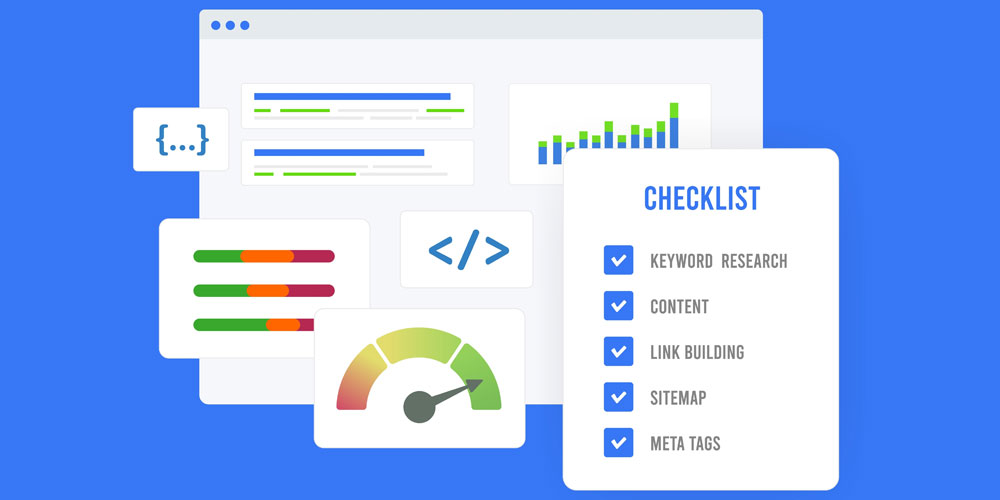
Use this checklist to build a strong SEO foundation for your construction business, all backed by real-world sentiment data.
1. Optimize for Local SEO First
Most construction leads are local. Yet many businesses forget to fully optimize for their city or service area. Ensure you:
- Claim and fully build out your Google Business Profile.
- Use location-specific keywords like “custom home builder [city]” or “remodeling contractor near [neighborhood].”
- Create dedicated service area pages if you serve multiple regions.
Sentrategy often identifies customer complaints like “I couldn’t tell if they serve my area” or “Their map said San Diego but I’m in Chula Vista.” Fixing this improves both SEO and trust.
2. Use Keyword Intent Strategically
Don’t just optimize for generic phrases like “construction company.” Use intent-driven keywords your ideal clients actually search when they’re ready to hire, such as:
- “Home renovation contractor near me”
- “Best kitchen remodeling company in [city]”
- “Commercial builder with permit experience”
Sentrategy reveals which types of jobs or specialties are generating positive (or negative) feedback for competitors. Use that to guide your keyword targets and service page creation.
3. Build Pages for Every Core Service
Too many construction companies bundle everything into one “Services” page. That limits your SEO potential.
Create a separate page for each major service you offer, such as:
- Kitchen remodeling
- Room additions
- Commercial tenant improvements
- Outdoor living spaces
Each page should be optimized with:
- Unique content (not copy-pasted)
- A focus keyword
- FAQs addressing common client concerns
- Internal links to related services or past projects
Sentrategy can tell you which services are trending based on sentiment data. If customers are raving about outdoor renovations or solar installations, don’t bury those services—highlight them.
4. Add Schema Markup
Schema helps search engines understand your business structure, reviews, and services better. This can increase your chances of appearing in local “rich results.”
Use schema to mark up:
- Business address and hours
- Service offerings
- Customer reviews
- Projects or portfolios
Many competitors skip this step, giving you an opportunity to stand out. Sentrategy often uncovers weak technical SEO setups in competing companies—issues you can capitalize on.
5. Collect and Leverage Reviews (Smartly)
Customer reviews are one of the strongest ranking factors for local SEO—but also one of the most emotionally driven.
With Sentrategy, you can analyze which competitor reviews are hurting their rankings and reputation (e.g., poor communication, hidden fees, missed timelines). Use those gaps to:
- Ask your clients to mention your strengths (like speed or transparency) in reviews.
- Use positive sentiment phrases from Sentrategy to craft your own review prompts and website copy.
Don’t forget to respond to every review. Google rewards engagement, and customers appreciate acknowledgment—especially in high-trust industries like construction.
6. Improve Page Speed and Mobile Experience
Sentrategy sentiment data often reveals frustration with websites that are slow, outdated, or difficult to navigate on mobile—especially for busy homeowners and commercial clients browsing on the go.
To improve your rankings:
- Optimize images (especially project photos)
- Use mobile-friendly design
- Reduce plugin bloat or unnecessary code
- Ensure your phone number is click-to-call
If your competitors are slow or confusing online, simply being fast and clear can become your SEO advantage.
7. Add Educational Blog Content
Many construction companies miss out on organic traffic because they don’t create educational content. A blog allows you to:
- Rank for long-tail keywords like “What permits do I need for an ADU in [city]?”
- Address common client questions and concerns
- Showcase your expertise in design, process, and project management
Sentrategy shows which topics customers ask about most in competitor reviews. Turn those questions into high-value blog posts—and own those search results.
8. Track Results and Adapt Frequently
SEO is not a one-time project. Monitor your results regularly and adapt to changes in search trends, customer behavior, and competitor mistakes.
Sentrategy gives you live insights into:
- What local customers are praising (so you can highlight it too)
- What competitors are failing at (so you can avoid it)
- How customer sentiment is shifting over time
This allows your construction business to evolve faster than your competitors—and rank higher because of it.
How Sentrategy Helps You Rank Smarter
Most construction companies rely on generic SEO advice. Sentrategy provides custom-tailored SEO opportunities based on real-time customer sentiment across your competitors’ brands.
It helps you:
- Pinpoint local ranking gaps others don’t see
- Prioritize high-value content opportunities
- Avoid costly messaging and keyword mistakes
- Create content that resonates emotionally and ranks algorithmically
When your SEO is guided by customer emotion and competitive data—not guesswork—you don’t just climb the rankings. You convert more traffic into booked projects.